

Ted Laszlo

How to Choose a Healthcare Construction Company: A Step-by-Step Guide for Facility Leaders
Key Takeaways:
- Focus on builders with recent, relevant healthcare work—not just general commercial experience.
- Use a structured scorecard to compare safety, planning, infection control, and cost clarity.
- Always check references.
- Choose a partner who can show healthcare-specific processes, transparency, and real project results.
Why Healthcare Construction Compliance for Occupied Hospitals Starts Early
Key Takeaways:
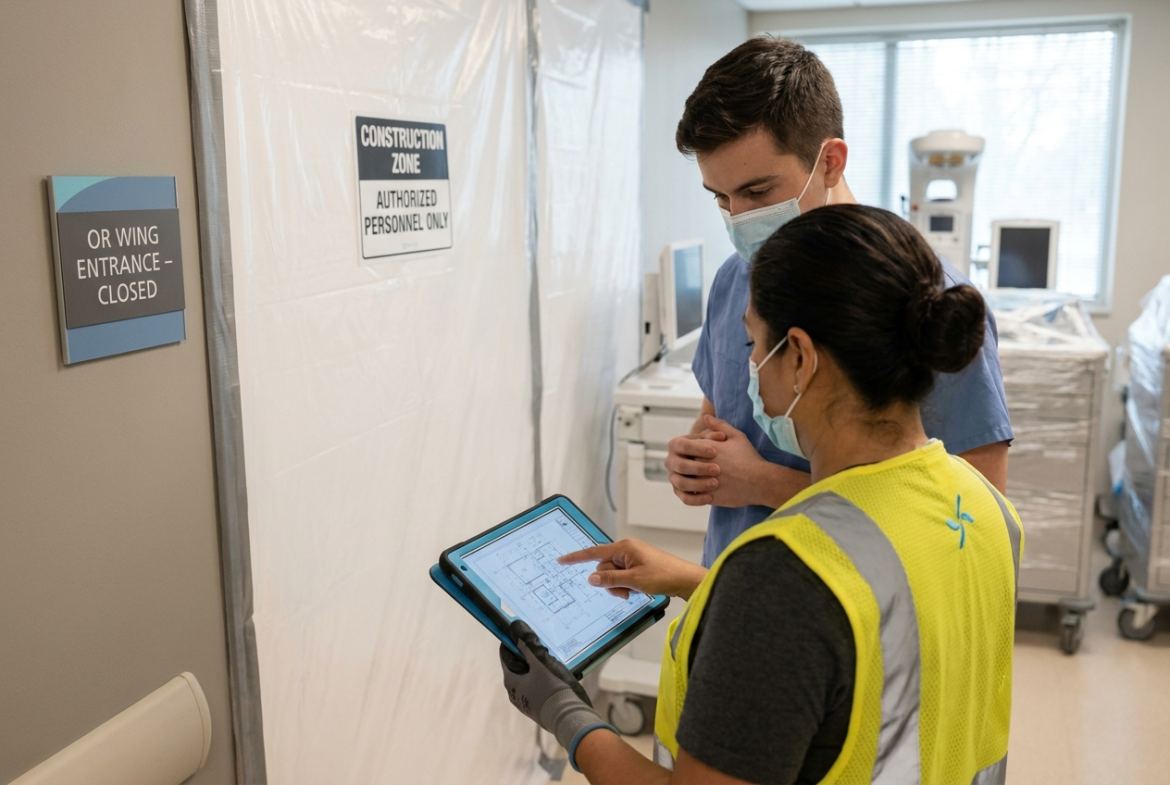
- Compliance planning should begin before mobilization and include infection prevention, facilities, clinical leaders, safety personnel, and the construction team.
- A multidisciplinary ICRA should guide containment, access routes, utility shutdowns, staging, monitoring, and work hours.
- Detailed phasing and advanced communication help hospitals manage construction without unnecessary disruption to patients, staff, or critical services.
2026 Guide to FGI Plan Review Requirements in Colorado
Key Takeaways:
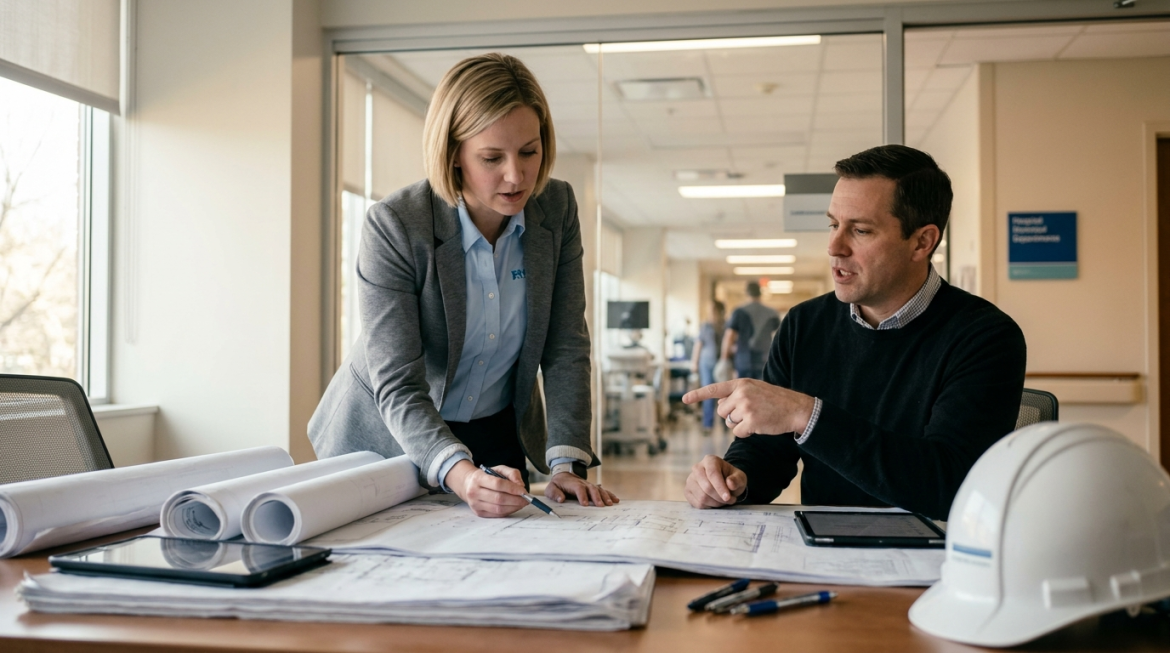
- Colorado healthcare teams should confirm the applicable FGI edition and facility classification with CDPHE before design decisions become difficult to change.
- A coordinated submission connects the functional program, safety assessments, life safety strategy, phasing, and building systems to the proposed design.
- Early collaboration among owners, designers, contractors, clinical teams, and regulators can reduce redesign and protect the construction schedule.
US Tariffs and Healthcare Construction: What Facility Directors Need to Know in 2026
Key Takeaways:
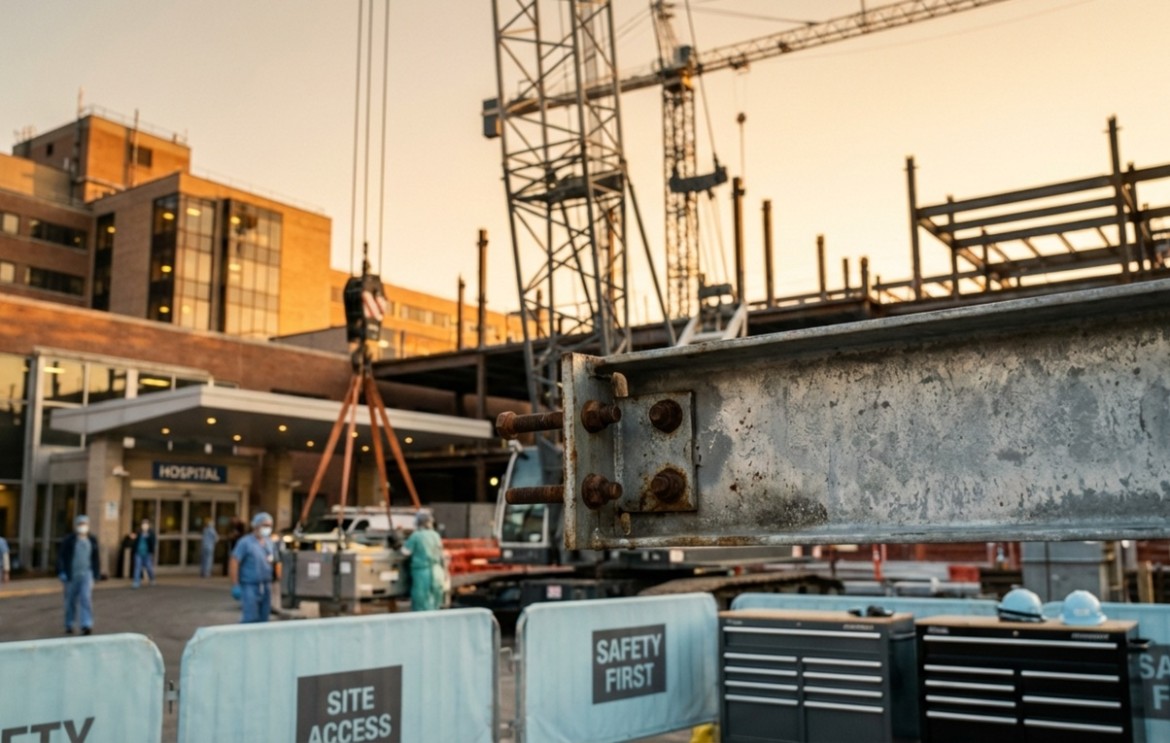
Current steel and aluminum tariffs can raise pricing pressure across structural materials, equipment packages, and imported building components, making early procurement more important for healthcare projects.
Tariff risk affects more than material cost; it can also change bid validity, equipment availability, and long-lead decisions that shape the project schedule.
Healthcare owners are better protected when they work with a builder that can align procurement, phasing, and contingency planning around patient safety, campus operations, and market changes.
Ground-Up Medical Office Design Considerations: Balancing Safety and Continuity
Key Takeaways:
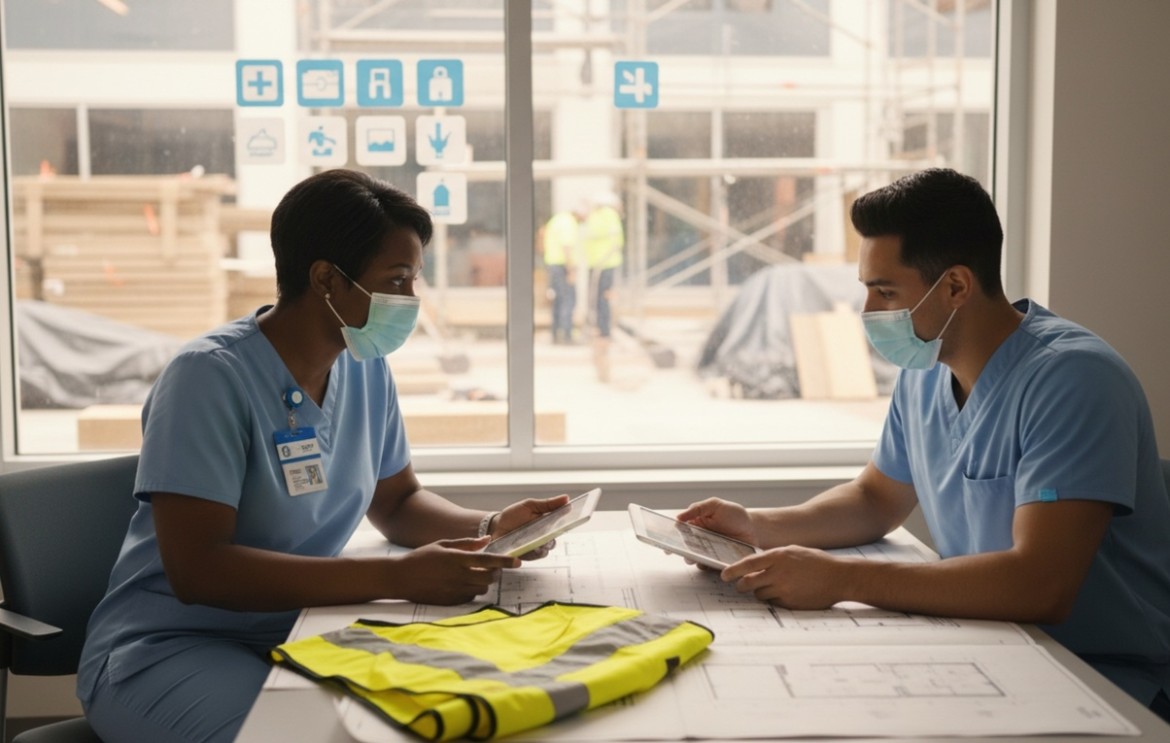
- Design must protect a safe work zone and predictable access for people and services while phasing construction near active patient-care areas.
- Prefabrication and durable finishes speed up construction, but the real goal is reliable, controlled delivery rather than raw speed.
- Good design optimizes patient flow, staff efficiency, and early equipment planning so the building functions well from day one.

CT Scanner Construction Requirements for Ground-Up Healthcare Builds
Key Takeaways:
- Bring the full team in early (medical physicist, structural, MEP, IT, infection prevention) to avoid redesigns and inspection delays.
- Use a pre-install checklist (power, cooling, shielding, data, rigging) to keep delivery and install on track.
- On ground-up imaging builds, early logistics planning and clear permit/inspection sequencing matter as much as walls and MEP.

Does Colorado Require FGI Plan Review?
Key Takeaways:
Colorado requires FGI compliance for many regulated healthcare facility types, but the exact review path depends on the facility, jurisdiction, and construction scope.
CDPHE review does not replace local building permits or applicable fire and life safety approvals.
Early coordination between the owner, design team, contractor, and reviewing authorities can reduce redesign, resubmittals, and construction delays.
How to Control Medical Office Construction Costs Without Compromising Quality
Key Takeaways:
The biggest budget swings in medical office construction usually come from site development, specialized MEP systems, and late-stage scope changes.
Cost control starts early: align the clinical program, standardize repeatable spaces, and identify long-lead items before schedule pressure drives up pricing.
The right healthcare construction partner protects budget and quality through preconstruction planning, design coordination, and proactive risk management.
MRI Construction Requirements Checklist: What Every Facility Director Needs to Know
Key Takeaways:
- MRI build-outs demand early coordination of MR safety zoning, RF shielding, quench venting, and MEP systems.
- Most “surprise” delays come from missed details: uncontrolled access, sloppy penetrations, fringe-field conflicts, or late changes inside the RF envelope.
- A healthcare-experienced contractor helps convert OEM requirements into a buildable plan that stays aligned to OEM criteria, code, and schedule.

Guaranteed Maximum Price Benefits: Ensuring Cost Certainty in Healthcare Construction
Key Takeaways:
Guaranteed maximum price contracts give healthcare owners a stronger budgeting framework by setting a cost ceiling for the agreed scope and defining how changes are handled.
GMP works best when the builder is involved early, so pricing, phasing, and clinical requirements are aligned before construction starts.
In complex healthcare projects, GMP improves cost visibility and accountability, but results still depend on a well-defined scope and an experienced team.

Understanding Lifecycle Cost in Healthcare Construction for Better Decision-Making
Key takeaways:
- Lifecycle cost analysis shifts focus from upfront costs to total ownership expenses, helping healthcare leaders make decisions that support long-term financial stability.
- Energy-efficient systems, durable materials, flexible infrastructure, and thorough testing drive lifecycle costs. Design choices impact facility performance for decades.
- Collaborative planning and structured documentation align stakeholders, strengthen board approvals, and ensure facilities meet both immediate and future needs.
Smart Value Engineering in Healthcare Projects
Key Takeaways:
-
Value engineering in healthcare isn't about cutting corners — it's about finding smarter ways to hit your budget while keeping patient care, safety, and aesthetics intact.
-
The best opportunities usually come from product and material choices, not reworking your clinical layout or how your providers deliver care.
-
When owners, architects, and contractors work through these decisions together, you end up with real choices — not forced compromises.
How a Pull Planning Schedule Improves Ground-Up Hospital Construction
Key Takeaways:
Pull planning helps ground-up hospital teams start with major milestones and work backward, improving coordination across design, procurement, trade sequencing, inspections, and activation.
On new hospital builds, pull planning makes dependencies visible early so teams can better manage long-lead materials, utility tie-ins, equipment coordination, and phased turnover.
For healthcare builders, pull planning supports more predictable delivery by aligning accountability, communication, and milestone-based execution from preconstruction through closeout.

Top Hospital Upgrade Design Considerations for Modern Healthcare Facilities
Key Takeaways:
- Put infection control and life safety first so the project is inspection-ready from day one through turnover.
- Design around real workflows: consistent layouts, clear sightlines, and right-sized support spaces reduce friction for staff.
- Plan utilities and future flexibility early so the building can scale with service lines, tech, and patient volume.

Construction Phase Insights: Setting Up a Clean, Commissioned Healthcare Facility
Key Takeaways:
-
Ground-up healthcare projects are most successful when you plan for start-up and commissioning from day one, not just the last few weeks.
-
Clean construction practices, protected systems, and disciplined moisture management create a stable environment for reliable equipment start-up and building performance.
-
Early commissioning, clear sequences of operation, and coordinated training help you open on schedule and reduce post-occupancy issues.
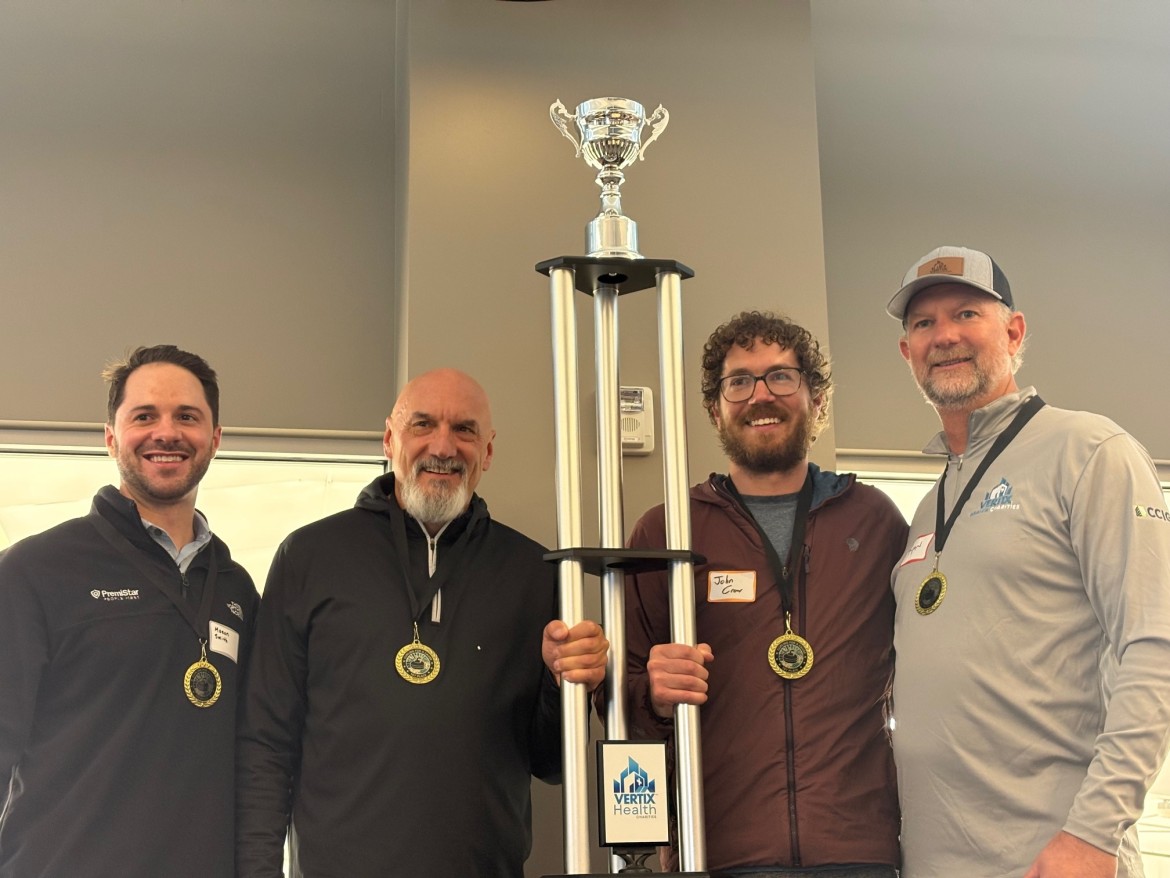
Curling for a Cause Returns for Third Year, Raising Over $70,000 for Sierra Leone Clinics
Vertix Health Charities brought its Curling for a Cause event back for a third consecutive year on March 6, 2026, drawing 24 teams to Rock Creek Curling in Lafayette, Colorado for a day of friendly competition and meaningful giving. By the end of the day, the event had raised more than $70,000, the most the event has generated to date, to support healthcare clinics in Sierra Leone serving mothers, infants, and families in need.