

Budgeting & Financial

The Benefits of an Open Book Construction Contract in Ground-Up Healthcare Projects
Key Takeaways:
Open book construction contracts give healthcare owners clearer visibility into costs, buyout decisions, and change management throughout the job.
This approach supports better budget control by aligning scope, pricing, procurement, and risk discussions earlier in the process.
For complex healthcare work, open book contracting can strengthen trust, accountability, and stakeholder confidence when paired with disciplined preconstruction.
US Tariffs and Healthcare Construction: What Facility Directors Need to Know in 2026
Key Takeaways:
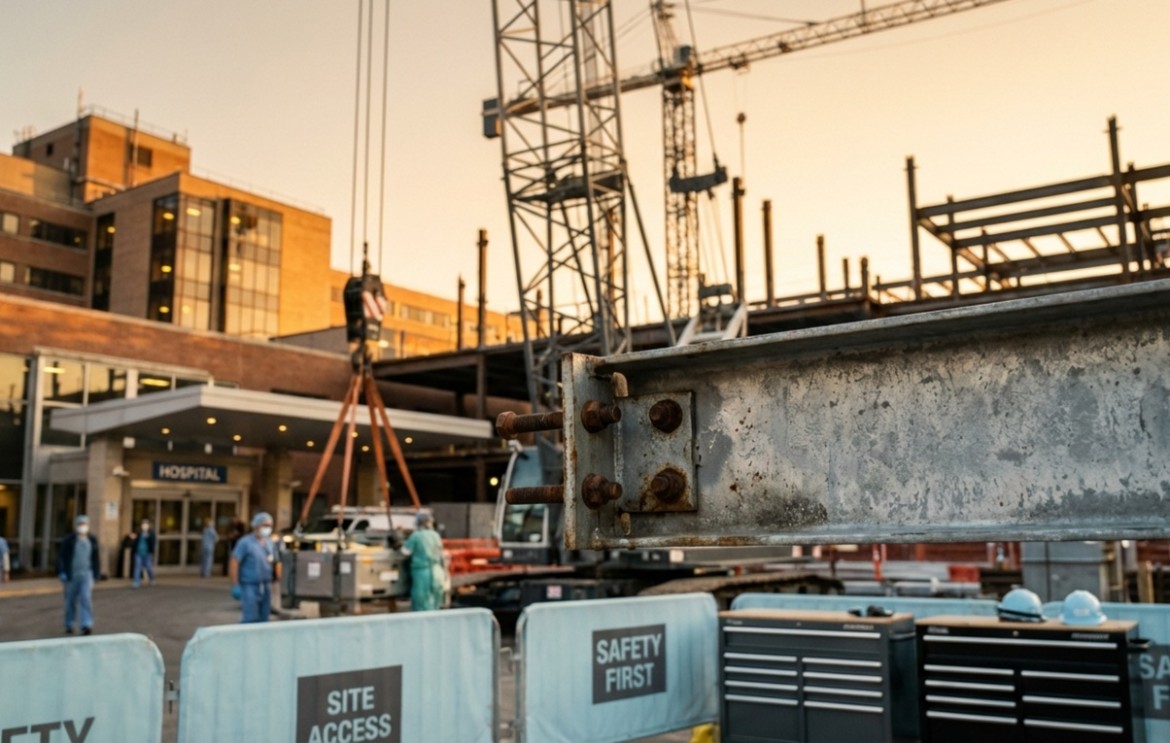
Current steel and aluminum tariffs can raise pricing pressure across structural materials, equipment packages, and imported building components, making early procurement more important for healthcare projects.
Tariff risk affects more than material cost; it can also change bid validity, equipment availability, and long-lead decisions that shape the project schedule.
Healthcare owners are better protected when they work with a builder that can align procurement, phasing, and contingency planning around patient safety, campus operations, and market changes.
Smart Hospital Construction: Step-By-Step Guide for Leaders
Key Takeaways:
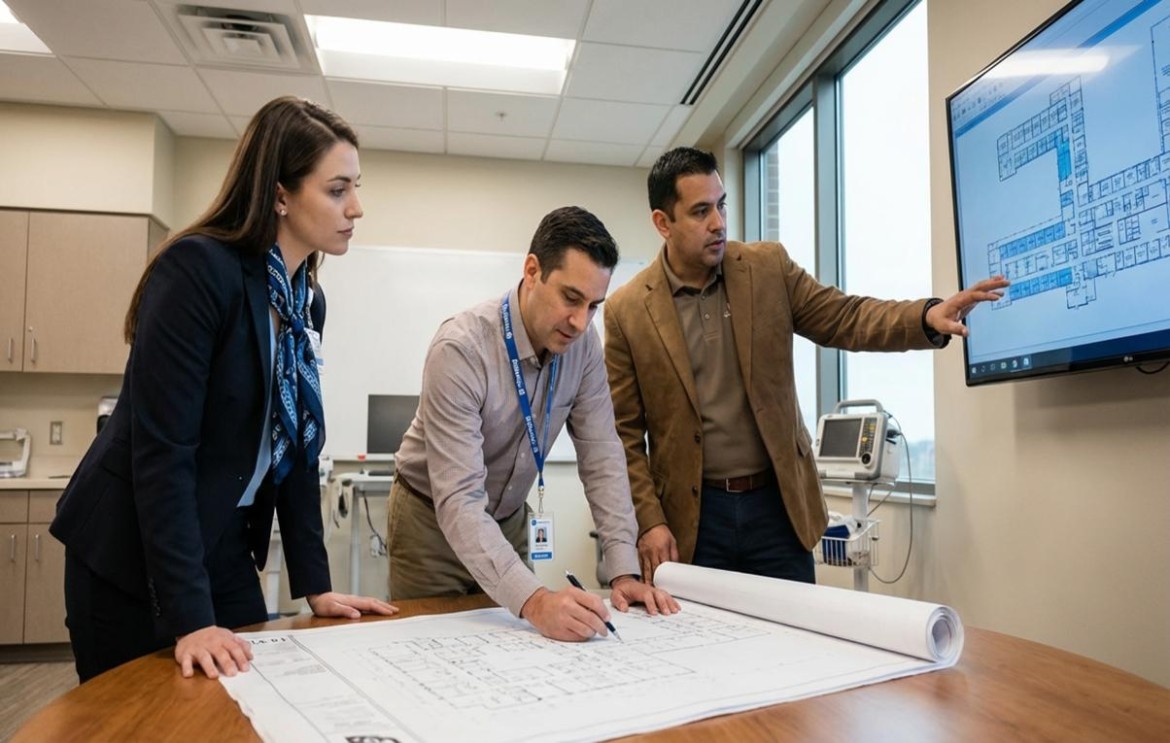
Smart hospital construction works best when clinical workflows, IT goals, and building systems are aligned early.
A phased approach helps reduce change orders, coordination issues, and go-live risk.
Strong preconstruction planning, infrastructure design, and commissioning are essential for safe, future-ready healthcare spaces.

How to Control Medical Office Construction Costs Without Compromising Quality
Key Takeaways:
The biggest budget swings in medical office construction usually come from site development, specialized MEP systems, and late-stage scope changes.
Cost control starts early: align the clinical program, standardize repeatable spaces, and identify long-lead items before schedule pressure drives up pricing.
The right healthcare construction partner protects budget and quality through preconstruction planning, design coordination, and proactive risk management.

Understanding Lifecycle Cost in Healthcare Construction for Better Decision-Making
Key takeaways:
- Lifecycle cost analysis shifts focus from upfront costs to total ownership expenses, helping healthcare leaders make decisions that support long-term financial stability.
- Energy-efficient systems, durable materials, flexible infrastructure, and thorough testing drive lifecycle costs. Design choices impact facility performance for decades.
- Collaborative planning and structured documentation align stakeholders, strengthen board approvals, and ensure facilities meet both immediate and future needs.

Smart Value Engineering in Healthcare Projects
Key Takeaways:
-
Value engineering in healthcare isn't about cutting corners — it's about finding smarter ways to hit your budget while keeping patient care, safety, and aesthetics intact.
-
The best opportunities usually come from product and material choices, not reworking your clinical layout or how your providers deliver care.
-
When owners, architects, and contractors work through these decisions together, you end up with real choices — not forced compromises.

Understanding Hospital Renovation Costs in Occupied Medical Environments
Key Takeaways:
Hospital renovation costs increase in occupied settings because projects must protect patients, staff, and ongoing clinical operations while construction is underway.
The biggest budget drivers usually include infection control measures, phased sequencing, after-hours work, temporary life safety protections, and complex MEP shutdown coordination.
Early planning with facilities, clinical leaders, and infection prevention teams helps reduce rework, limit disruption, and build a more reliable renovation budget.
Healthcare Construction Costs: Strategies for Budgeting and Minimizing Disruption
Key Takeaways:
-
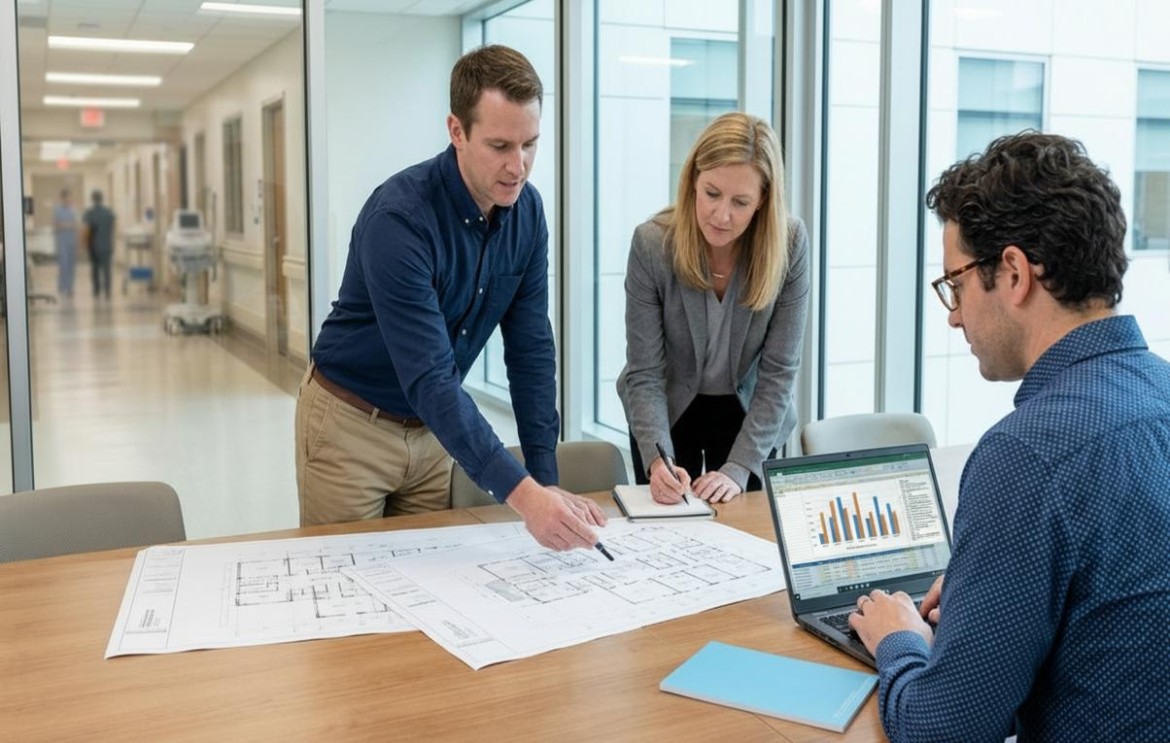
Renovating occupied healthcare facilities involves unique costs and difficult challenges, primarily driven by infection control requirements, phased construction, and the need to coordinate closely with clinical staff.
-
Early collaboration with hospital leadership and experienced contractors is critical for developing effective phasing plans, controlling costs, and minimizing disruption to patient care.
-
Specialized strategies such as prefabrication, just-in-time delivery, and transparent cost tracking help reduce project risks, control budgets, and ensure compliance with regulatory standards in active medical environments.